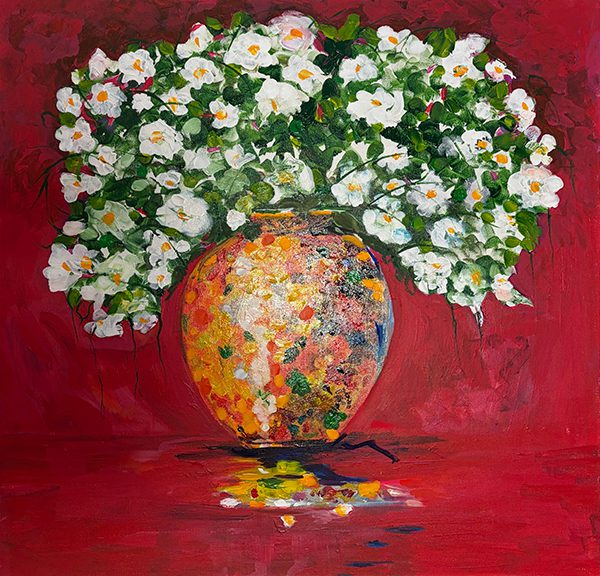
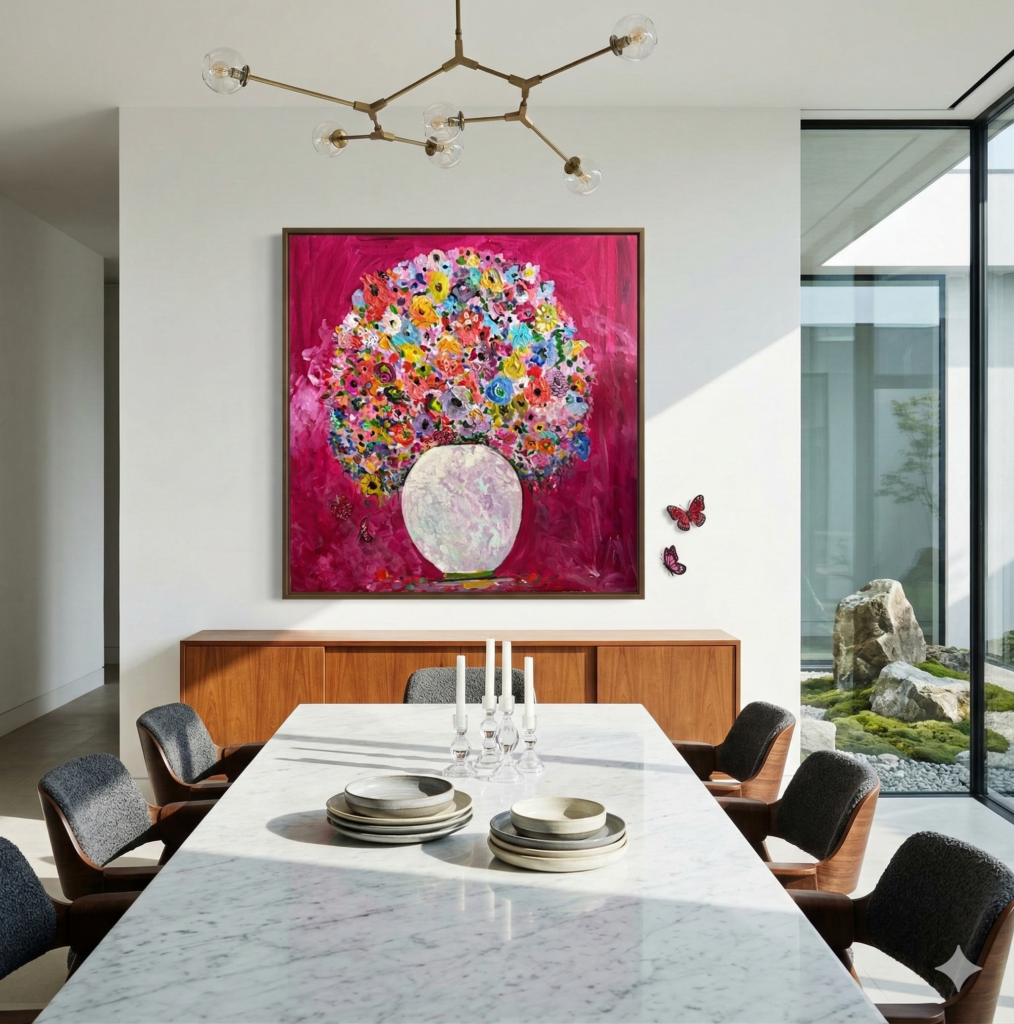
Original art changes a room quickly, making it feel personal and intentionally composed. When you commission a piece you receive one-of-a-kind art created to your scale and palette, direct dialogue with the artist, and a hand-signed original with clearer provenance than most resale finds. A commission also gives you practical control: you can request archival supports, a specific palette, or a subject that preserves a memory in paint.
This guide offers five practical tips to help you decide when to commission and when to buy existing studio originals, how to vet original paintings, and where to buy original art online with confidence. It covers how to compare listings, spot authentic works, and collaborate with independent artists so the finished piece arrives ready to hang. For a faster path from idea to installation, Monique Paré’s consultation service shortlists artists, manages sketches and approvals, and ensures the final signed work ships with a certificate of authenticity.
Before you start a commission, get two things right: a clear brief and a simple contract. Those steps prevent most misunderstandings and speed delivery when buying original art.
- Decide when to commission versus buy an existing original
- Prepare a clear brief that covers budget, timeline, and design goals
- Find and vet artists through trusted platforms or direct studio contact
- Use a clear contract and insist on authentication and pricing transparency
- Plan insured shipping, professional installation, and final documentation
Tip 1: Decide when to commission versus buy an existing original
A commission lets you get a painting that fits your space, color story, and purpose exactly. That personal fit makes original art feel intentional rather than tacked-on.
Choose a commission when off-the-shelf originals cannot meet your size, color, or subject requirements, or when you want to preserve a specific memory in paint. Commissions also let you specify archival materials, framing, and care instructions from the start, which protects both the work and its value. If your timeline or budget is tight, a ready-to-ship studio original will usually save time and money.
Tip 2: Set a clear brief: budget, timeline and design goals
A concise, shareable brief prevents costly misunderstandings and saves time. Start with the room where the piece will hang, desired dimensions, and clear color notes that describe what you want rather than only what to avoid.
Add three to five reference images plus a photo of the wall showing approximate hanging height, and include framing, varnish, and delivery expectations up front to avoid late surprises. Set a realistic budget that reflects the medium and the artist’s career stage; oils usually cost more than acrylics, and galleries commonly take 40 to 50 percent commission.
As a rough guide, emerging artists often price mid-size works between $150 and $2,000, mid-career artists between $2,000 and $10,000, and established artists higher than that. State your maximum in the brief and indicate whether you prefer an upfront deposit or a payment plan when buying original art online or directly from a studio.
Agree milestones, approvals, and revision limits before work starts so the project stays on schedule. A common payment structure is a 30 to 100 percent deposit with the balance due on completion or before shipping; include revision fees and cancellation terms in the contract to prevent disputes.
Turn the brief into a one-page checklist—room, size, colors, references, budget cap, milestones, and contract terms—and share it with the artist. Use that checklist when evaluating portfolios and proposals; the next section shows where to find artists who match your brief. For quick answers to common process questions, see the FAQ.
Tip 3: Where to find and hire artists for original art
Where you search affects cost, provenance, and delivery. Major online marketplaces, galleries, and direct studio purchases each offer different advantages when buying original art.
Saatchi Art, Artsy, Artsper, and Tappan serve different needs: broad selection with returns, gallery representation and provenance, European contemporary works with fast shipping, and curated emerging talent respectively. Pick the platform that matches your priority—selection, provenance, or discovery—to avoid endless searching and unexpected fees.
- Saatchi Art offers thousands of international works, easy returns, and in-platform advisory for first-time buyers. It is a good place to browse widely and test size and color options.
- Artsy connects buyers with galleries and higher-end pieces where provenance and gallery representation matter. Use it when you want documented gallery history and established provenance.
- Artsper serves European contemporary originals and often provides fast, tracked shipping from vetted galleries. It suits buyers focused on a specific regional market.
- Tappan focuses on emerging painters and studio originals, making it easier to find new voices and potential investment pieces. It’s useful if discovery and direct studio relationships are your priority.
For practical advice on how to approach buying art online—what to check in listings and what questions to ask—consult a reputable buyer’s guide such as this buy art online guide before you commit to a platform or purchase.
Buying direct from an artist’s website, Instagram, or a local studio can save gallery commissions and provide clearer provenance when you document the sale. If you prefer browsing available works first, view the gallery of originals for sale to get a sense of scale, palette, and available framing options. Vet portfolios, read buyer reviews, and ask for recent condition photos and references before paying a deposit. Always request a signed certificate of authenticity and a written agreement about delivery and framing so the purchase is properly recorded.
Curated match services narrow candidates by style, budget, and timeline, then handle sketches, payments, and insured shipping on your behalf.
Tip 4: Contracts, authentication and pricing transparency
A clear contract protects both buyer and artist and keeps the commission on track. Put expectations in writing so there are no surprises during production or delivery.
The agreement should list deliverables, medium, dimensions, deadlines, payment schedule, revision limits, ownership and reproduction rights, shipping responsibility, and cancellation terms. Specify who insures the work in transit and how damage disputes will be handled, and require a signed certificate of authenticity at delivery. Make responsibilities explicit.
- Title, date, medium, dimensions
- Edition number if applicable, artist signature, provenance notes
- Condition report and high-resolution images at handover
- Payment milestones, final acceptance criteria, and delivery insurance
Verifying authenticity and provenance is a practical process: ask for a certificate that lists title, date, medium, dimensions, edition, signature, and provenance. Request a condition report and close photos, then compare the signature and technique to known works. For higher-value purchases, use digital registries or verification services—you can check a certificate online to confirm registration details—or hire an independent authentication service to produce a formal report.
Tip 5: Shipping, installation and the final checklist
Shipping and installation are the last practical steps; get them right to protect the work and your investment. Small choices—carrier, insurance, and packing—determine whether the piece arrives ready to hang or requires repairs.
Insist on insured, trackable shipping with a signature on delivery. For high-value works, ask the seller to arrange fine-art insurance or use a specialty carrier because common carriers often limit liability. Consider consulting a specialist insurer about coverage for in-transit and in-home risks; many insurers offer options tailored to valuable collections, including specialty fine-art insurance. Photograph the unopened package and the contents as you unpack, note any damage immediately, and follow the marketplace or insurer claims process without delay to keep a clear paper trail and speed resolution.
Decide scale and sightlines before you buy by measuring the wall and viewing the work from the distance people will stand. Choose a frame that complements and protects the painting, use anchors rated for the actual hanging weight, and consider professional hanging for anything large or heavy. Hang the center at roughly 57 to 60 inches from the floor and use even, warm lighting that avoids direct sun and strong UV exposure to preserve color.
Before you sign off, confirm documentation is complete. Verify you have the signed certificate of authenticity, a final condition report, the shipping receipt, and the artist’s contact for provenance questions. Register the work with a digital certificate service if available and store receipts and the COA together; consult a conservator before any re-varnishing or restoration.
Commissioning original art is straightforward when you follow a tight brief, a written agreement with milestones, verified provenance, and planned shipping and installation.
Ready to commission original art?
If you want an artwork that fits your room and story, start with a short brief and a trusted artist. Clear expectations save time, protect value, and keep the process enjoyable.
Put what you’ve learned into practice: draft a three-line brief with target size, budget range, and two reference images or mood words, then upload it via Monique Paré’s commission form to begin the consultation. You will move from idea to a bold, expressive painting with a clear process, secure shipping, and the confidence that comes from commissioning original art that truly belongs to you.